How to Choose Between Olive Oil and Seed Oil for Everyday Italian Cooking
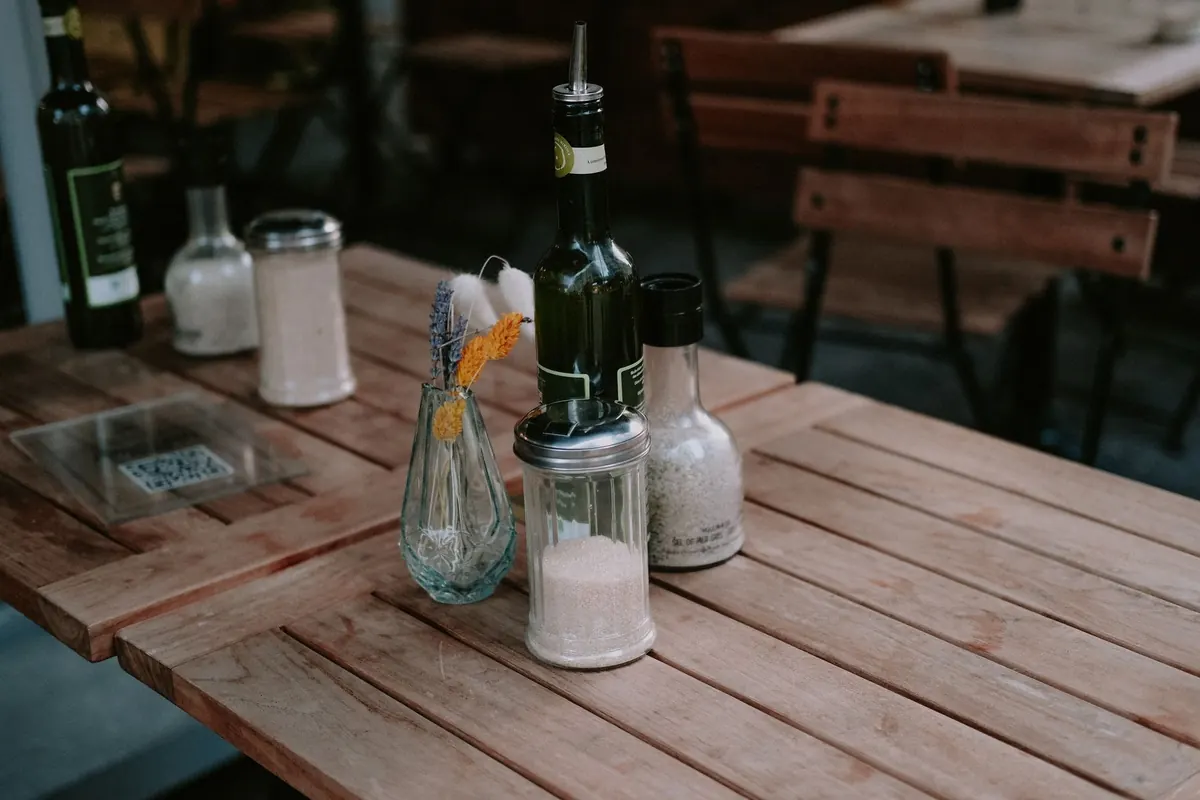
There are usually two bottles on the counter in an Italian kitchen, and they are not interchangeable. One is dark glass, green-gold inside, and gets dribbled over tomatoes with something close to reverence. The other is pale, cheap, and used far more often than anyone likes to admit. Choosing between them is less about following rules than about knowing what you want the food to taste like.
The short version is this: olive oil is an ingredient, seed oil is a tool. The longer version depends on your pan, the heat you plan to use, and what is already in your cupboard.
Start With the Job, Not the Bottle
Before you reach for anything, ask yourself three questions. How hot will this pan get? How long will the oil sit there? And do I actually want to taste the oil in the finished dish?
A tomato salad answers all three at once: no heat, no time, and yes, the oil should be part of the flavour. A batch of fried artichokes answers them the opposite way. The oil will hit high heat, it will stay there for a while, and if it shouts over the vegetable, something has gone wrong.
Most home cooking lives somewhere between those two extremes. Sautéing garlic and anchovies for a pasta sauce takes moderate heat and two minutes. Roasting potatoes at 200 °C takes longer and wants an oil that can handle it without turning bitter. Get comfortable with those three questions and you will stop guessing.
What Each Oil Actually Contributes
Extra virgin olive oil tastes of something. Depending on where it was grown and when it was pressed, it might be grassy and green, or rounder with a peppery finish that catches the back of your throat. That bitterness is not a fault; it is the point. In a kitchen that uses it daily, it functions like salt or lemon — a seasoning, not just a lubricant.
Seed oils, by contrast, are designed to stay quiet. Refined sunflower oil has almost no voice. Peanut oil has slightly more, with a faint nutty character that many cooks in northern Italy prefer for frying because it flatters rather than masks. Grapeseed is neutral and light. None of them will make a bowl of beans taste better on their own.
This is why swapping one for the other rarely works as a straight substitution. Use seed oil to dress a plate of mozzarella and you will notice the absence of flavour more than any flaw. Fry with your best peppery olive oil and you may find the sharpness you loved raw turns harsh in the pan.
Heat, Smoke and the Reality of a Hot Pan
Extra virgin olive oil starts to smoke somewhere in the region of 180–200 °C. Refined seed oils generally sit a little higher. That gap sounds dramatic on paper and matters less in practice than it suggests, because the temperature at which an oil begins to smoke is not the same as the temperature at which it becomes unpleasant. A good olive oil will happily sauté, roast and even shallow-fry.
What you want to avoid is the point where any oil starts to break down — it darkens, smells acrid, and coats food with a bitterness you cannot rescue. A few habits keep you clear of that:
- Heat the pan first, then add the oil, so it spends less time climbing to temperature.
- Keep the heat moderate unless you are deliberately frying, and never let a pan sit smoking while you chop something else.
- Fry in batches. Crowding the pan drops the temperature, and food steams instead of browning.
- Strain and discard frying oil after two or three uses at most. Oil that has darkened or smells slightly-off is finished.
For long, hot deep-frying, a refined seed oil or peanut oil is simply more forgiving and cheaper to replace. For everything short of that, olive oil does the job well. Both are fats with roughly the same calories per spoon; olive oil brings a different fat profile and the polyphenols behind that peppery bite. If you are managing a health condition, ask a doctor or dietitian rather than a cooking column.
What Italian Cooking Traditionally Reaches For
Tradition is more regional than most people expect. In the south, olive oil is the default for almost everything — the soffritto, the vegetables, the bread, the frying. In the north, butter and seed oils share the work, and sunflower oil is common in baking and in the frying pan. Peanut oil has a long history in Italian frying, particularly for pastries and for dishes where a neutral result is wanted.
So there is no single authentic answer. What holds true across the country is a sense of economy: the expensive oil goes where you can taste it, and the cheap oil goes where you cannot. A cook in Puglia with a family supply of oil uses it freely. A cook buying it by the litre at the shop is more careful, and rightly so.
Building a Pantry That Works
You do not need a shelf of bottles. Three will cover almost everything a home kitchen does in a week:
- One good extra virgin olive oil for raw use — salads, bread, finished pasta, soups, grilled vegetables. Buy a smaller bottle and use it within a few months of opening.
- One everyday olive oil in a larger tin or bottle for cooking: soffritto, roasting, sauces, quick sautés. It does not need to be the best thing in the shop.
- One neutral seed oil for frying, baking and anything where you want the oil to stay invisible.
If you fry often, a bottle of peanut oil alongside is a small upgrade worth making. That is it. Everything else is a preference.
Buying and Storing Without Wasting Money
Olive oil is a fresh product, not a vintage. Look for a harvest date rather than a vague best-before, and prefer the most recent one on the shelf. Dark glass or a tin protects it; a clear bottle on a sunny windowsill will fade it faster than you expect. Keep it in a cool cupboard, tightly closed, and do not store it beside the hob where the heat cycles up and down all evening.
Buy in quantities you will actually finish. A three-litre tin of excellent oil that takes a year to empty ends up tasting flatter than a fresh bottle of something modest. Seed oils keep longer, but they still go off; a bottle that smells of old nuts or crayons should go out.
And taste before you commit. A spoonful of any oil tells you more than a label does, and it is the only way to learn which one you actually like on a tomato.
The Short Answer
Keep good olive oil for the plate and everyday olive oil for the pan. Keep a neutral seed oil for high heat and for baking, and replace your frying oil more often than feels necessary. If you are unsure, ask what you want to taste. When the oil is the point, choose olive. When the oil is just the medium, choose seed.
That is a rule you can cook with for years, and it costs nothing to follow.
Photo: Mathias Reding / Pexels

You Might Also Like
A guide to spring foraging the way locals do it — reading the hedgerows politely, picking four reliable greens, and leaving the rest well alone.
Handwoven linens reward a little knowledge. Here are the washing, drying, and storing mistakes that quietly shorten their life — and the simple habits that keep them beautiful for decades.