A Seasonal Checklist for Preparing a Traditional Italian Home for Winter
Winter in Italy rarely arrives with a single cold morning. It comes in small signals: the first fire in the stufa, shutters closed a little earlier, a terracotta floor that stays cool underfoot, woodsmoke in the lane. Traditional houses work with thick walls, wooden shutters, high ceilings, and cross ventilation. They still need attention before damp and drafts settle in.
The useful approach is a slow walk through the house, top to bottom, room by room. Start with the parts that keep weather out, then the rooms you use daily, then storage and outdoor corners. Keep a notebook and note what sticks, rattles, smells musty, or needs a professional.
Begin at the Edges: Windows, Doors, and Shutters
Drafts are easier to find before the cold is constant. On a windy day, hold a thin tissue near window frames, door edges, and the gap under the door. Where it flutters, you have a job. Check putty around old windows, brush seals on sliding doors, and thresholds. Worn weatherstripping is quick to replace; cracked putty and loose hinges are better handled before the rain.
Wooden shutters, the persiane that give so many Italian facades their rhythm, need a proper inspection. Open and close them fully. Oil the hinges, check the latches, and replace broken slats where you can. A shutter that will not close is a gap in the house’s winter armour. Inside, hang heavy cotton or wool curtains close to the window, long enough to overlap the sill.
- List rattling windows, sticking doors, and cracked putty.
- Replace worn weatherstripping and add a draft excluder to the coldest door.
- Oil shutter hinges, check latches, and repair loose slats.
- Wash and rehang heavy curtains; add lining if the window is old.
Air rooms briefly each morning, even in winter. A short burst of fresh air reduces condensation without chilling the walls.
The Kitchen and Pantry: Stock, Clean, and Preserve
The kitchen works hardest in winter. Clear the pantry shelves, wipe them down, and check jars and packets open since summer. Flour, rice, dried beans, lentils, polenta, coffee, and pasta like a cool, dry, dark place. Decant what you can into glass jars with tight lids; the shelves become easier to read and pests stay out.
Check preserves too. A bulging lid, a leak, an off smell, or mould means the jar goes out. Home preserving is a tradition worth keeping, but it depends on tested recipes and proper acidity. If you are unsure about a seal or a recipe, seek reliable advice rather than guessing.
The Winter Larder
Stock what you reach for on cold evenings: lentils, chickpeas, farro, tinned tomatoes, olive oil, garlic, onions, dried herbs, and a few tins of fish. Keep bread in a cotton bag or freeze it sliced. Clean the extractor filter, wipe the hob, and check that the oven door closes. If you smell gas, ventilate, avoid switches, and call a qualified technician.
Living Rooms and Bedrooms: Textiles, Heat, and Air
Winter living is about layers. Swap thin throws for wool blankets, add rugs to cold terracotta floors, and put anti-slip pads underneath. Wash and air bedding before storage, and turn mattresses if you have not done so recently. Cotton and wool layers breathe better than one heavy synthetic quilt; a hot water bottle or a traditional scaldaletto takes the chill off sheets without overheating the room.
Check the heating before you need it. Bleed radiators that are cold at the top, dust the fins, and keep furniture clear so heat can circulate. Do not hang wet laundry over radiators; it raises humidity and makes the room feel colder. If you have a fireplace or stufa, book a qualified chimney sweep and have the flue checked. Store firewood dry, off the ground, and not against the outside wall. Use a fireguard.
- Book a qualified technician to service the boiler, stove, or heating system.
- Bleed radiators and check that thermostatic valves turn freely.
- Have chimneys and flues swept; test smoke and carbon monoxide alarms.
- Wash curtains and blankets, air mattresses, and rotate rugs.
Warmth in an old house is less about one big fix than a dozen small ones: a sealed window, a closed shutter, a dry wall, a rug in the right place.
Bathrooms and Damp: Small Fixes That Matter
Bathrooms show winter moisture first. Check the extractor fan; if it is weak or clogged with dust, clean or replace it. Look at the silicone around the bath and shower, the grout, and the window seal. A failed bead of silicone lets water into the wall, which is a much bigger job than a tube of sealant. After a shower, open the window briefly, leave the door ajar, and use a squeegee.
If black mould keeps returning, cleaning alone will not solve it. Find the source: a leak, a blocked gutter, a cold bridge, or too much moisture in the air. A dehumidifier can help a stubborn room, but it is no substitute for ventilation and repair. Persistent damp or mould that affects the structure or your health deserves professional attention; do not ignore a musty smell that returns after every clean.
The Cantina, Attic, and Outdoor Corners
Before the autumn rains, clear gutters and drains of leaves. Check roof tiles from the ground if you can, and call a professional for anything that needs a ladder. Bring terracotta pots under cover or raise them on feet so they do not sit in water; terracotta cracks when it freezes. Shut off outdoor taps, drain hoses, and insulate exposed pipes. Store garden furniture and cushions dry.
In the cantina, keep wine, preserves, and root vegetables off the floor and away from damp walls. Check ventilation; a musty cantina flavours everything in it. In the attic, look for leaks, rodent droppings, and torn insulation. If you store chestnuts, apples, or pumpkins, check them regularly and remove any that soften. Stack firewood under cover, with air around it, never against the house wall where damp can travel.
Light, Energy, and the Daily Rhythm
Traditional habits are often the most efficient. Open shutters by day to let sun in, close them at dusk to keep heat from escaping. Use draft excluders at cold doors, but do not block radiators or vents. Replace failed bulbs with efficient ones, and put timers on a couple of lamps so the house does not feel dark when you come home. Test smoke and carbon monoxide alarms, and keep a torch and spare batteries in a known drawer.
If you rent, ask the landlord for heating service records and report faults in writing. If you own, keep a simple file of service dates for the boiler, chimney, and gas appliances. For energy bills, tariffs, or structural work, seek advice from a qualified professional rather than guessing. The same goes for any gas or electrical job beyond a simple repair.
A Practical Closing Sequence
Do not try to do everything in one day. Work from top to bottom and from dry to wet: safety checks first, then windows and doors, heating and textiles, pantry and cantina, outdoor drains and pipes. Make three short lists: repairs for a professional, purchases for the hardware shop, and tasks you can do yourself. A final walk-through on a cold evening will show where the house still leaks heat or feels damp. Fix those spots first, and the rest of winter will be easier.
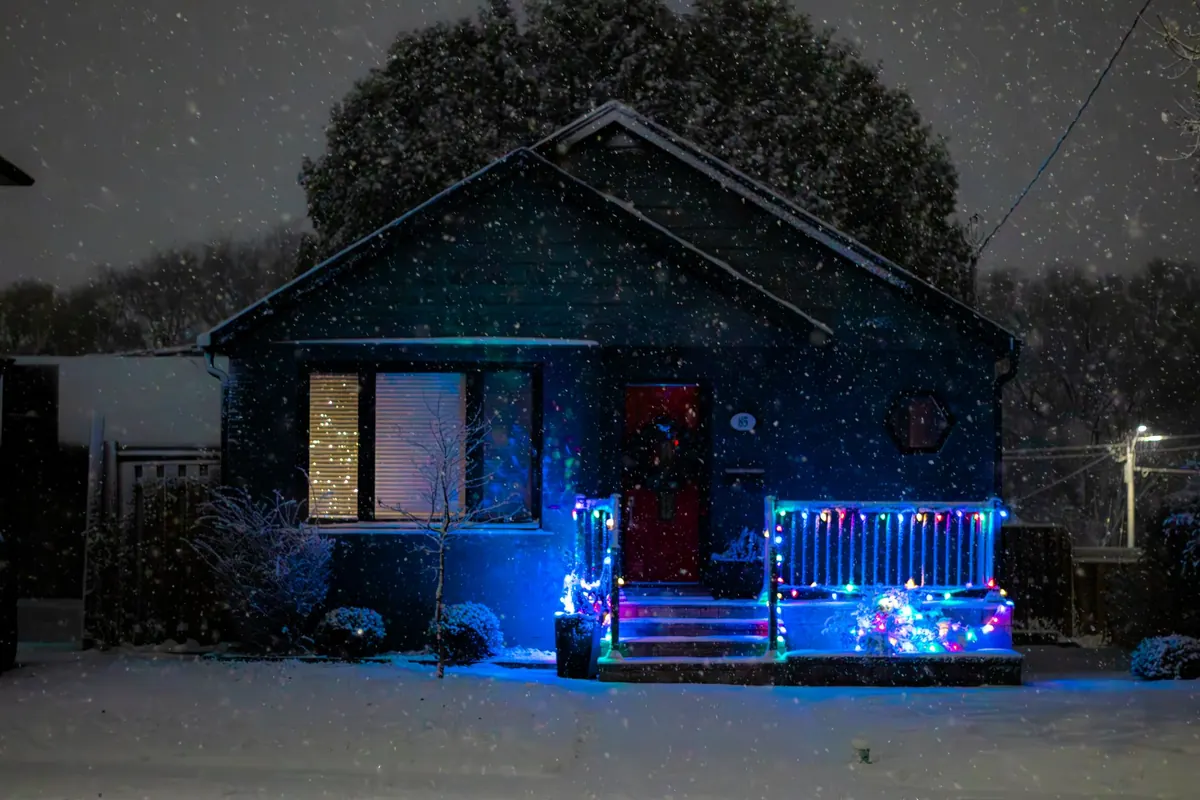
Photo: Anurag Jamwal / Pexels


You Might Also Like
A guide to spring foraging the way locals do it — reading the hedgerows politely, picking four reliable greens, and leaving the rest well alone.
Handwoven linens reward a little knowledge. Here are the washing, drying, and storing mistakes that quietly shorten their life — and the simple habits that keep them beautiful for decades.