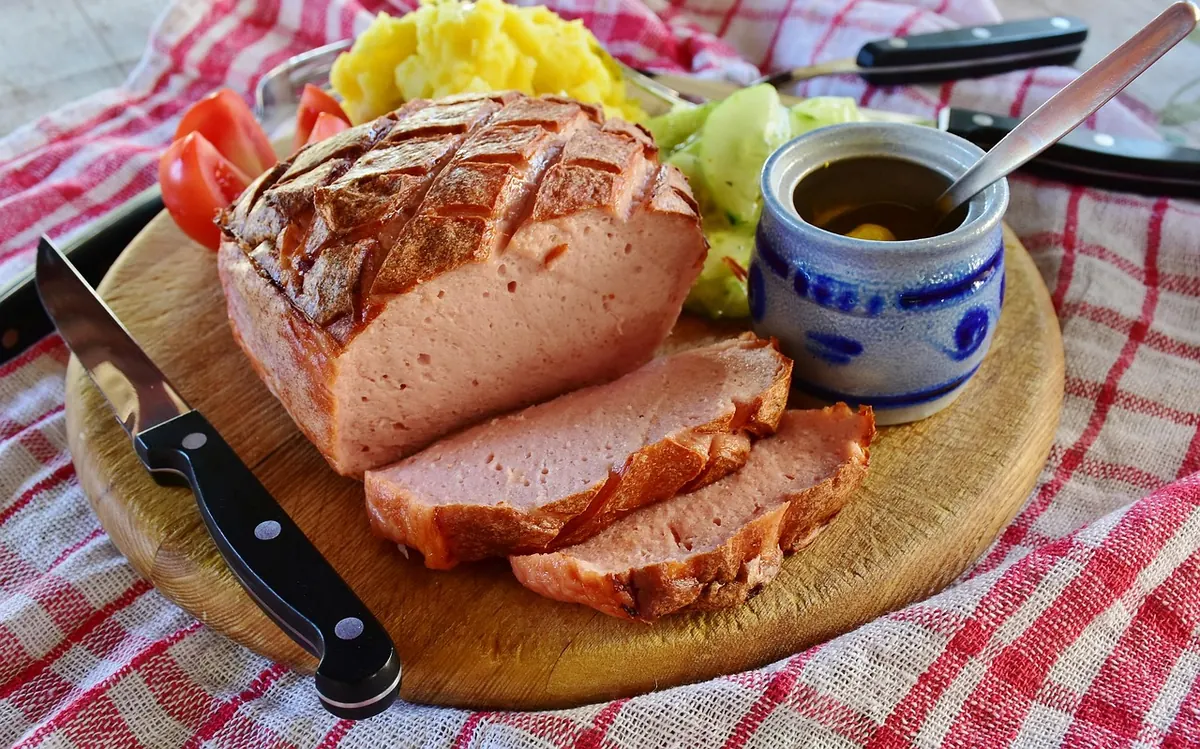
How to Build a Seasonal Aperitivo Board with Local Italian Ingredients
An aperitivo is not dinner, and that is exactly why it works. It is the half hour before: a drink, a little food, a table you stand around rather than sit down at. In Italy the food is rarely the main event, but it is never an afterthought either. A good board should look like the market that morning — a few things at their best, arranged so people can reach them without asking anyone to pass the plate.
What follows is a working method rather than a fixed recipe. Get the proportions and the layout right once, and you can build the same board in April and again in October and it will feel like two entirely different things, because it will be.
Start at the Market, Not the Recipe Book
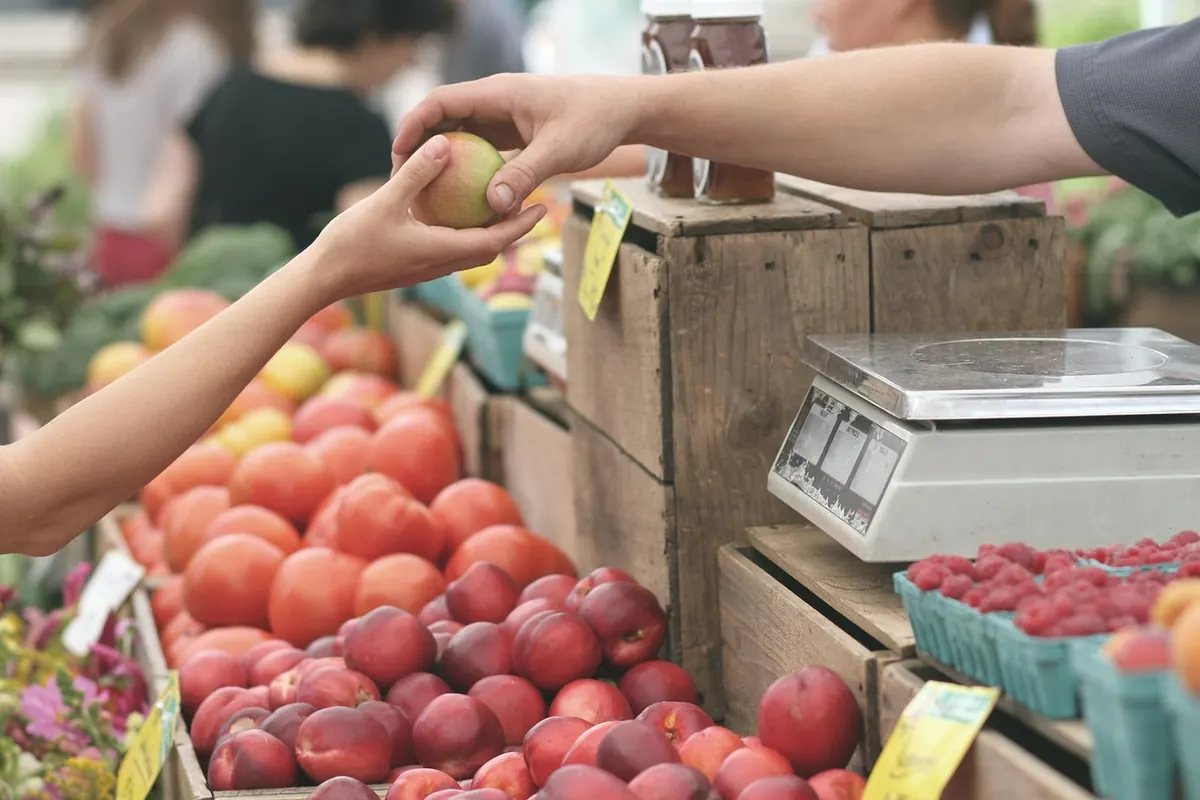
Build the board after you have shopped, not before. That sounds obvious, but most people plan a spread in their heads and then go hunting for the ingredients. Do it the other way round. Walk past the vegetable stalls first, see what is actually good, then let the cheese counter and the salumeria fill in the rest.
Seasonality here is not a slogan, it is a shortcut to flavour. A tomato in February needs help; a tomato in August needs salt and nothing else. If the courgettes are small and firm, buy them and slice them raw with oil and mint. If the only greens are tough and bitter, blanch them for a minute and dress them while warm so they drink up the oil. Ask the vendor what they would take home. In an Italian market that question gets you a real answer.
Buy slightly less than you think you need. A board that runs out and gets topped up looks generous and alive; a board piled to the edges looks like a buffet and eats badly.
Two Cheeses, Three at Most
The rule of thumb: one soft, one firm, and a third only if it does something the first two cannot. More than three and the board turns into a tasting, which is a different occasion.
- Soft and creamy: robiola, taleggio, a good mozzarella di bufala, burrata, or a fresh sheep's cheese in spring.
- Firm and savoury: Parmigiano Reggiano, pecorino (Toscano for something milder, Romano for a sharper hit), aged Asiago, caciocavallo, or a mountain toma.
- Blue, if you want one: gorgonzola dolce is easier going than the piccante version, and it plays well with honey and fruit.
Take everything out of the fridge half an hour before serving. Cold kills cheese — a taleggio at room temperature tastes twice as generous as one straight from the shelf. Cut soft cheeses into rough wedges and leave hard ones in larger pieces with a knife beside them, so people can break off what they want. Keep each cheese on its own small plate or slate, especially the blue.
Cured Meats: Thin, Varied, Not Stacked
Two or three kinds is plenty. Aim for contrast rather than quantity: one delicate and sweet, one with some spice or funk. Prosciutto crudo or bresaola on one side; a finocchiona, a good salame, a slice of coppa or a little 'nduja on the other. Mortadella, cut thin and folded, is underrated and always popular.
Ask for it sliced thin — thicker than you would for a sandwich. Then drape rather than stack: loose ribbons let the air get to the meat and keep it from sweating into a solid block. If you can, add the cured meats last, just before people arrive, and keep them out of the sun.
Vegetables Do the Heavy Lifting
This is the part that separates a decent board from a memorable one, and it is the part most people skip. You want a mix of raw and cooked, crisp and soft, mild and bitter.
- Spring: raw fava beans with pecorino, blanched asparagus with oil and lemon, radishes with good butter and salt, young peas.
- Summer: sliced tomatoes with basil and salt, grilled courgettes with mint, roasted peppers, cucumber and celery sticks.
- Autumn: puntarelle or radicchio with an anchovy and oil dressing, roasted squash, mushrooms sautéed with garlic.
- Winter: finocchio cut into wedges with olive oil and orange, braised cabbage, grilled radicchio, carrots with a little vinegar.
Dress vegetables lightly and at the last minute: extra-virgin olive oil, a squeeze of lemon or a few drops of vinegar, flaky salt. That is usually enough. Anything sitting in a puddle of dressing will soften and look tired within the hour.
The Supporting Cast
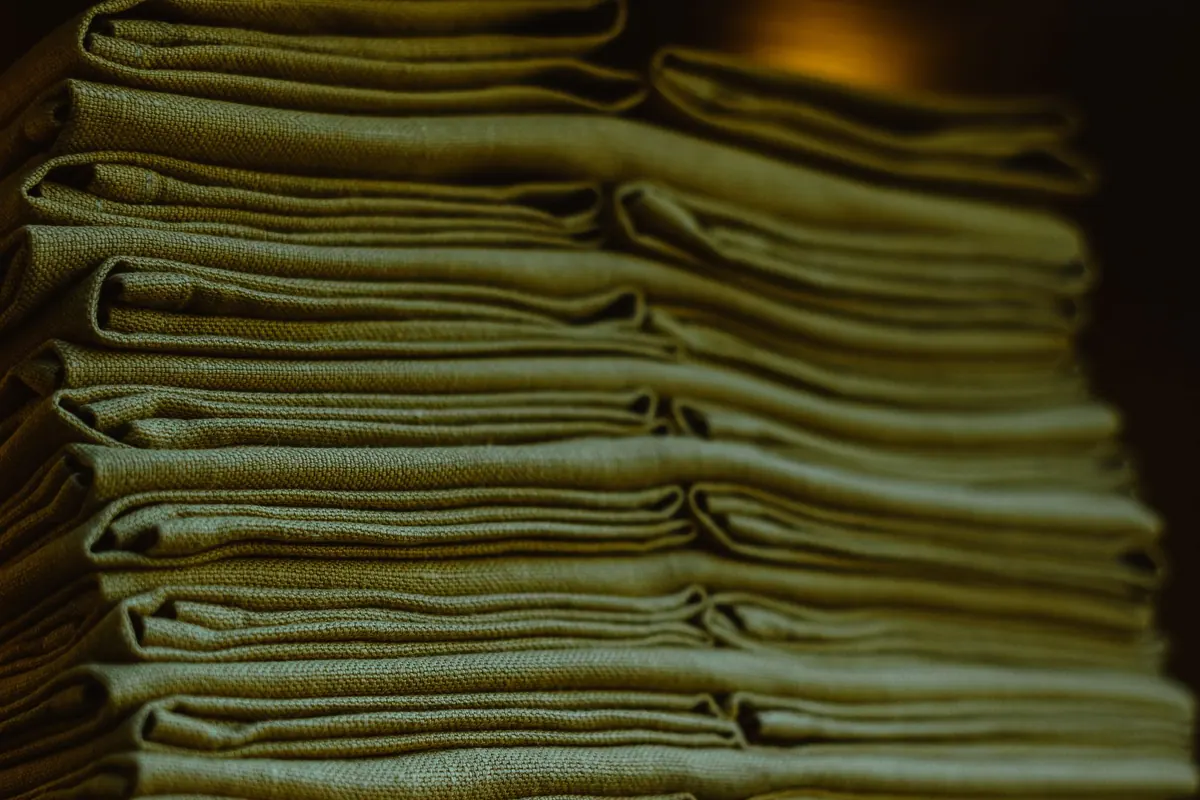
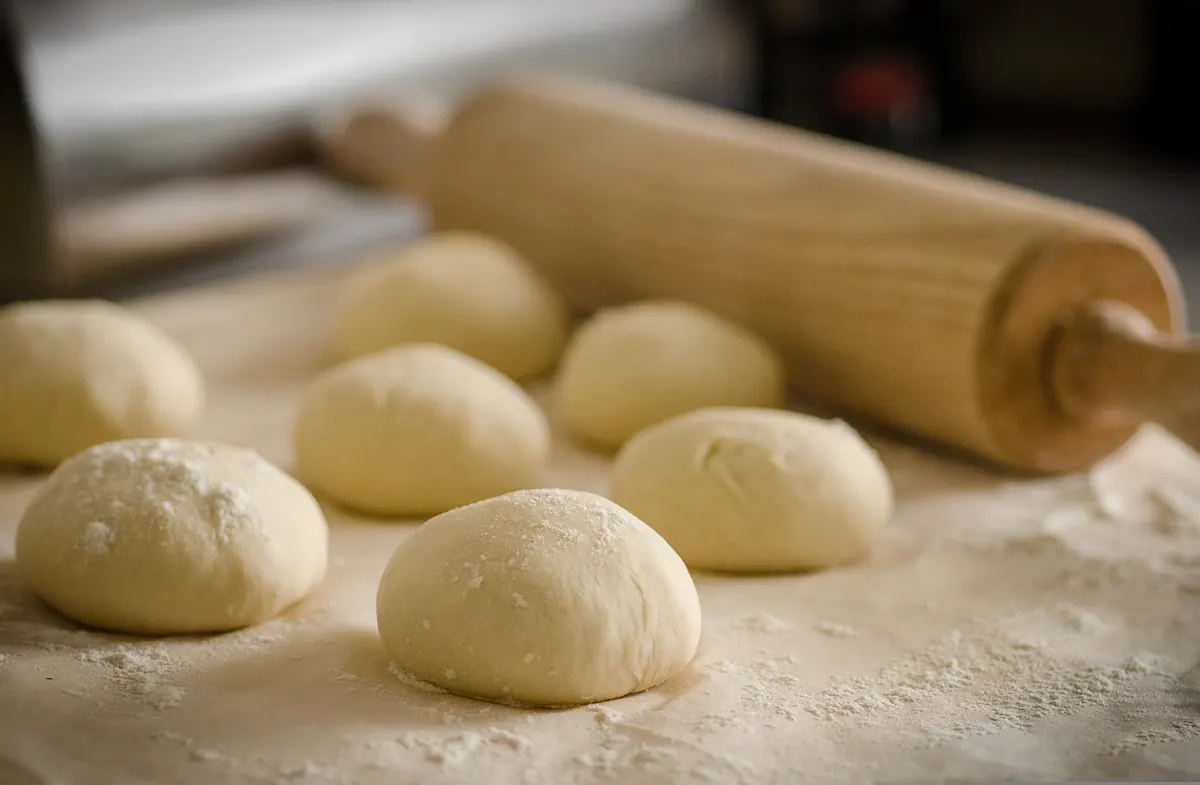
A few small things hold the whole board together. Bread is not optional — a sliced focaccia, a torn pugliese loaf, tigelle, piadina, or simply good grissini. Put out one really good olive oil for dipping and maybe a small dish of honey or mostarda for the cheese. A handful of olives, some taralli, a few walnuts. Keep salt in a small bowl rather than a shaker; people use it more confidently.
Two or three of these are enough. The board is not a shopping list of everything in the cupboard.
Laying It Out
- Start with the biggest items — a wooden board, a slate, a large platter — and place the cheese and any bowls first.
- Put the soft cheese and the blue at opposite ends so they do not merge on the plate.
- Leave gaps. Empty space makes the food look better and gives people somewhere to put a glass down.
- Build a little height with a small bowl or a folded napkin; flat boards look flat.
- Fill the gaps with vegetables and bread, then drape the cured meats over and between.
- Add the wet things — olives, dressed vegetables — last, in their own small bowls.
One small spoon or fork per bowl, and a separate knife for each cheese. Sounds fussy; it takes a minute and saves everyone from improvising with a grissino.
Timing, Drinks and the Last Ten Minutes
Set the table an hour ahead with everything that does not suffer: boards, napkins, glasses, bowls, bread. Do the vegetables twenty minutes before people arrive. Add the cured meats and the final drizzle of oil in the last ten minutes, once the first guest is through the door. That is the whole trick — the board should look as if it was just finished, because it was.
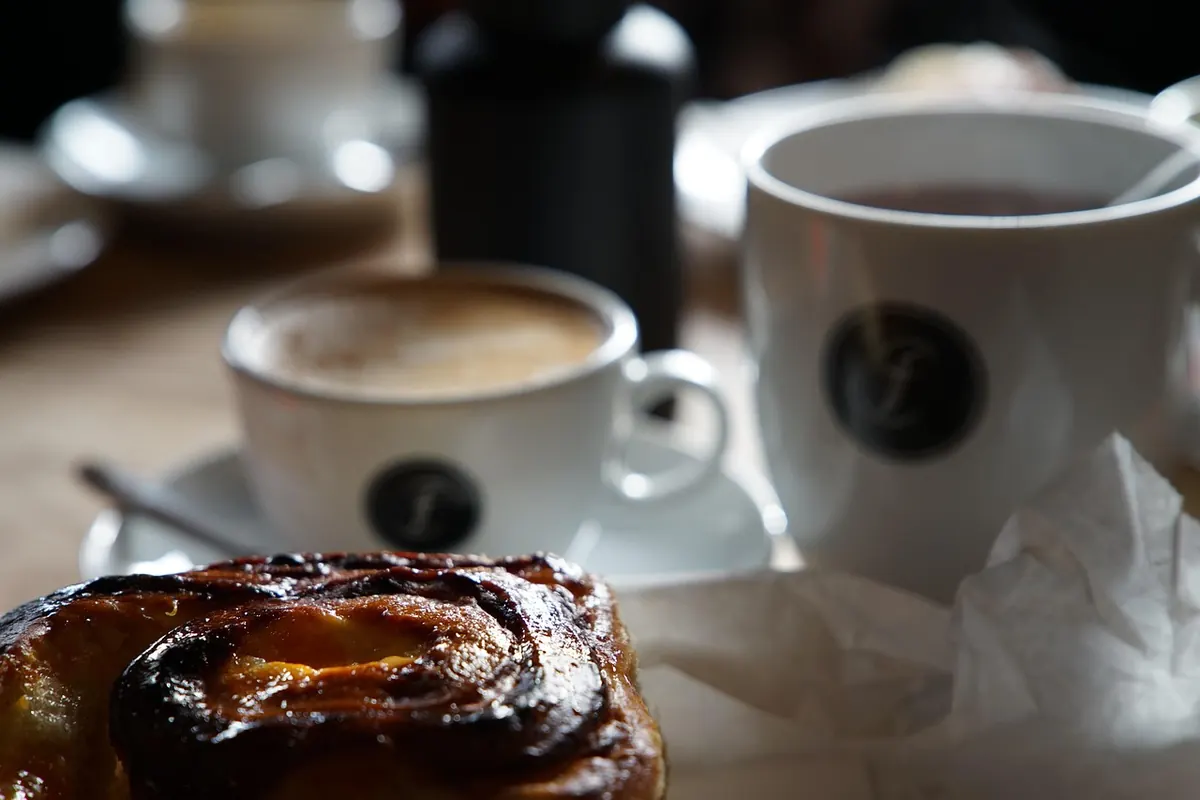
To drink, keep it simple and cold: a spritz, a glass of prosecco or Franciacorta, a young white such as Vermentino or Friulano, or a light red served cool. A jug of sparkling water with lemon slices on the table is not a compromise; plenty of people will reach for it first. If anyone is driving or not drinking, give them something proper in a good glass rather than a sad alternative.
Finally, do not tidy the board mid-evening. A little disorder is the sign of a good aperitivo. Top up what runs out, wipe the crumbs off the table, and let the conversation do the rest.
Photo: RitaE / Pixabay

You Might Also Like
A guide to spring foraging the way locals do it — reading the hedgerows politely, picking four reliable greens, and leaving the rest well alone.
Handwoven linens reward a little knowledge. Here are the washing, drying, and storing mistakes that quietly shorten their life — and the simple habits that keep them beautiful for decades.